How We Built the Best 3D Printers for Botzlab Innovations
How We Built the Best 3D Printers for Botzlab Innovations – From Concept to Market Success
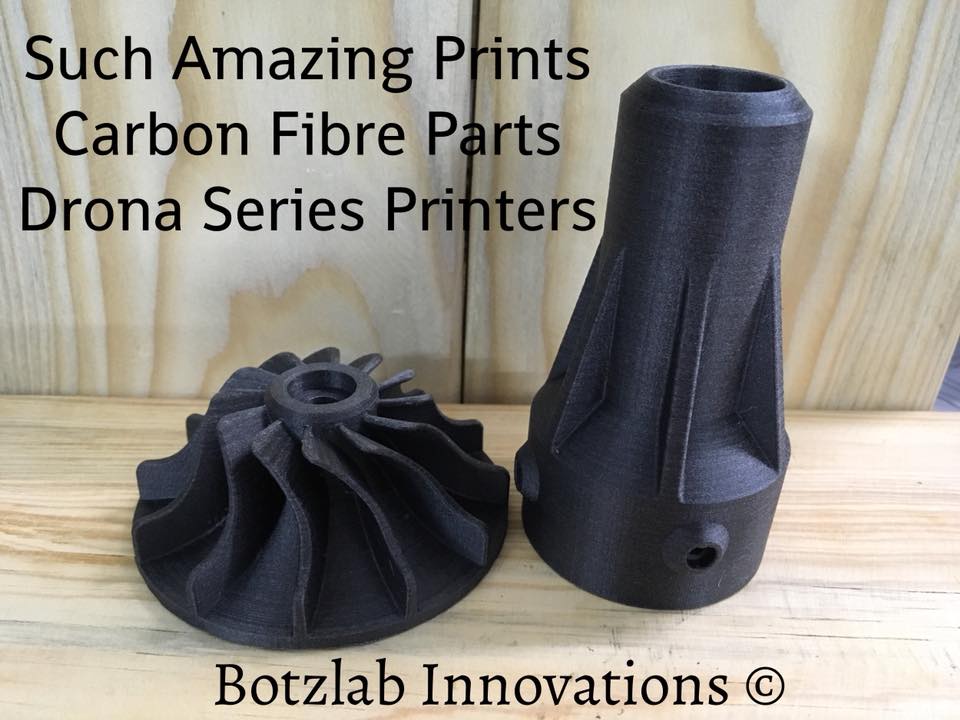
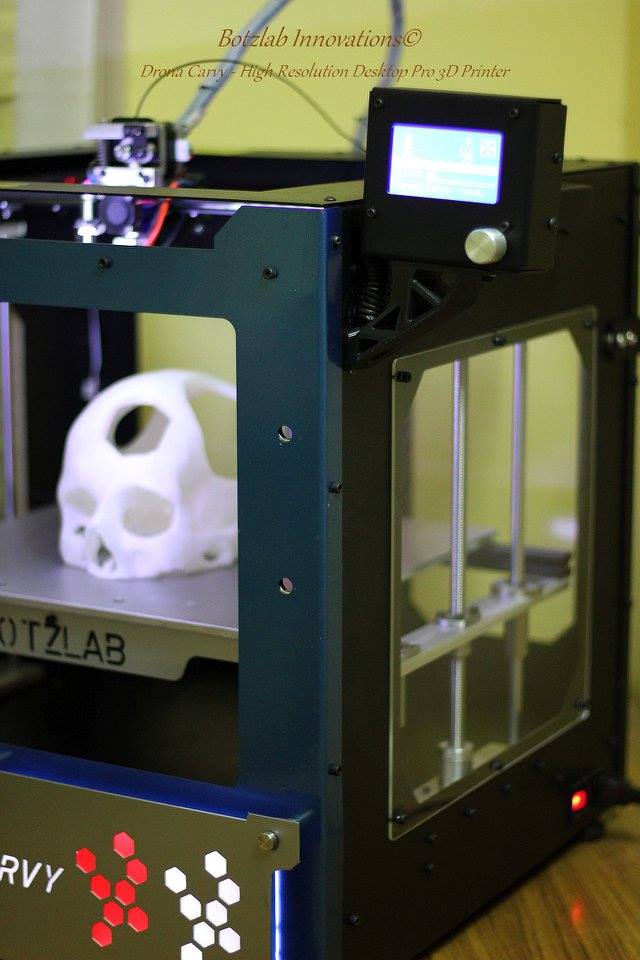
At KovinTech, every project starts with a vision: to engineer solutions that are not just innovative, but also practical, scalable, and market-ready. Our collaboration with Botzlab Innovations is one such success story — where we partnered to design and deliver a complete range of indigenous 3D printers that eventually sold over 500 units in the market.
This journey wasn’t just about building machines; it was about building a process, an ecosystem, and a business model that empowered Botzlab to grow with confidence. In this blog, I’ll take you through the detailed steps of how we approached the challenge, what it took to create world-class printers, and how our collaboration ensured not just product excellence but also market success.
Step 1: Understanding the Vision and the Market
We began by listening. Botzlab had a clear vision — to create accessible, high-quality, and scalable 3D printers that could cater to everyone from students and hobbyists to research labs and industrial users.
Our first step was to map out:
- Target Segments: Education, SMEs, R&D labs, industrial prototyping.
- Key Needs: Affordability, reliability, precision, scalability.
- Market Gaps: Imported machines were expensive and lacked local support; indigenous options were limited.
This discovery stage ensured alignment — not just on what we would build, but why it mattered.
Step 2: Translating Needs into Product Design
Once the requirements were clear, we moved into concept design. Our strategy was to create a scalable portfolio:
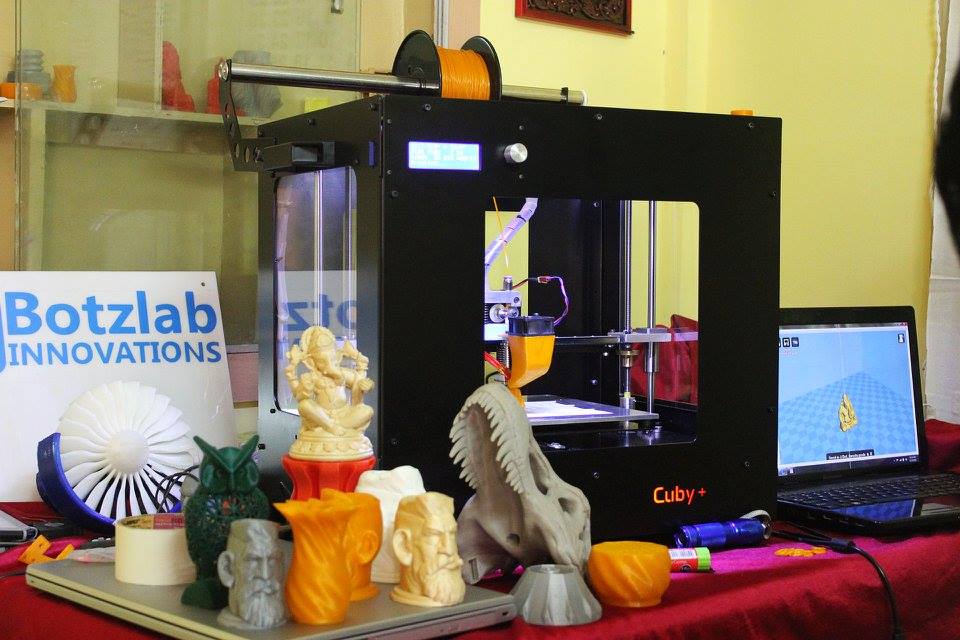
- Compact Printers (200x200x200 mm): Affordable, reliable, and suited for education and early adopters.
- Mid-Range Printers: Balanced machines for startups and SMEs, offering flexibility and ease of use.
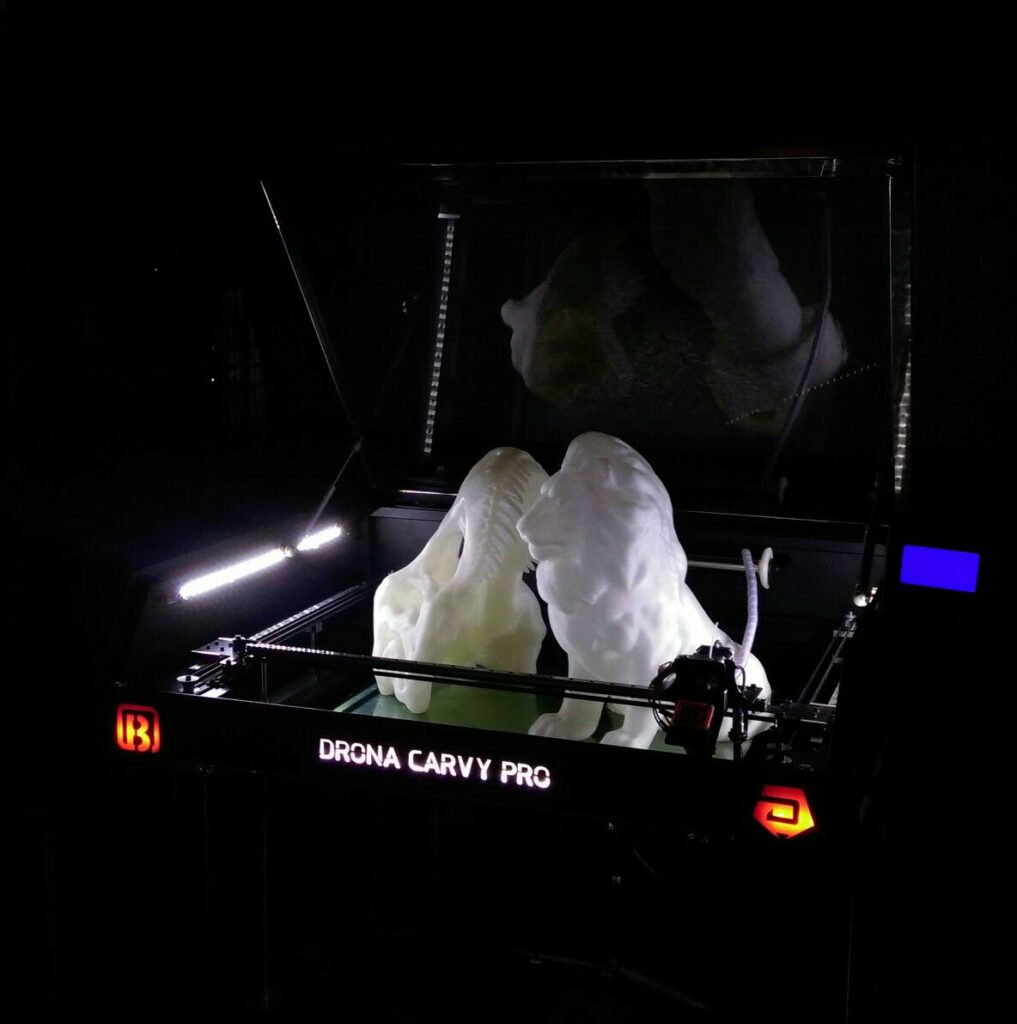
- Large-Format Printers (up to 1 meter): Industrial-grade systems for heavy-duty prototyping and manufacturing.
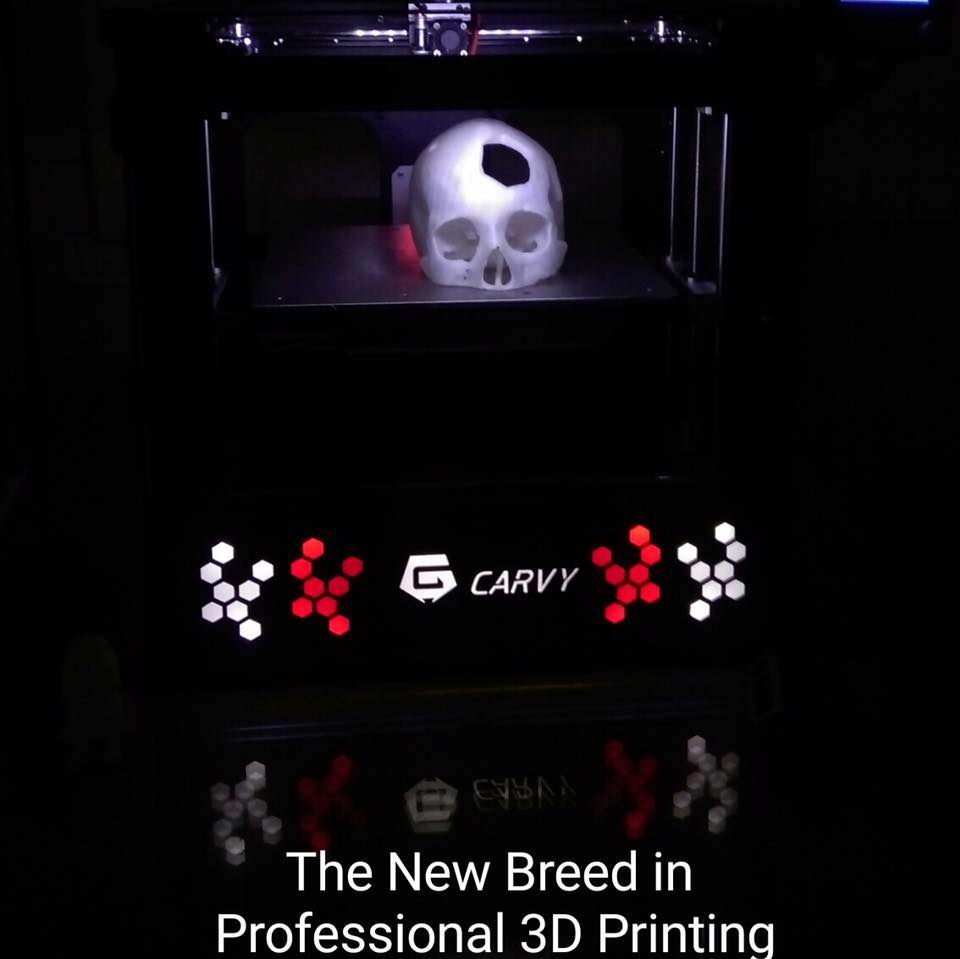
- Bio-Printers: Specialized designs for medical and research applications, where precision and material handling were critical.
We designed with modularity in mind — making the printers adaptable for upgrades while reducing production complexity.
Step 3: Leveraging Open-Source Hardware
We made a strategic choice to leverage open-source hardware platforms. This gave us several advantages:
- Faster prototyping and iteration cycles.
- Lower development costs.
- Ability to customize and localize for specific needs.
- A robust, proven foundation to build on.
By combining open-source adaptability with our engineering expertise, we created printers that were robust, future-ready, and uniquely optimized for Indian market conditions.
Step 4: Engineering Excellence & Prototyping
This is where design turned into reality. Our engineering process included:
- Material Selection: Balancing strength, durability, and cost-effectiveness.
- Precision Mechanics: High-quality motion systems ensuring dimensional accuracy even at large build volumes.
- Electronics & Control: Custom-built boards and firmware tuned for performance.
- User-Centric Interfaces: Simplified UX for both beginners and professionals.
- Rigorous Testing: Reliability, repeatability, and stress testing across multiple prototypes.
Each iteration brought us closer to machines that could not just print, but perform consistently in real-world environments.
Step 5: Scaling to Bio-Printers
One of the most exciting aspects of the collaboration was the development of bio-printers. Here, the challenges were greater — dealing with sensitive materials, sterile conditions, and precision beyond industrial norms.
We engineered solutions with specialized extruders, temperature controls, and biocompatible materials, enabling Botzlab to enter a cutting-edge space in MedTech and research.
Step 6: Business Development & Market Entry
Building a great product is half the battle. The other half is getting it into the hands of customers.
KovinTech extended its support beyond engineering to help Botzlab with business development strategies:
- Market Positioning: Framing the printers as reliable, indigenous alternatives to costly imports.
- Sales Enablement: Creating technical documentation, training, and demo kits.
- Partnerships: Connecting with education institutions, industrial parks, and SMEs.
- After-Sales Strategy: Building service and support frameworks for long-term adoption.
This holistic approach helped Botzlab not only launch successfully but also scale quickly.
Step 7: The Results
The outcome of this collaboration speaks for itself:
- A complete portfolio of indigenous 3D printers across multiple sizes and applications.
- Successful sale of 500+ units across education, research, and industry.
- Entry into the Bio-Printing domain, positioning Botzlab as an innovator.
- A stronger brand identity built on engineering excellence + market readiness.
Step 8: The KovinTech Approach — Why It Works
Looking back, what made this journey a success was our structured yet flexible approach:
- Listen first – understand vision, pain points, and markets.
- Design modularly – build scalable product families.
- Leverage smartly – use open-source and indigenous capabilities.
- Engineer rigorously – precision, reliability, and usability as non-negotiables.
- Support beyond tech – enable sales, marketing, and market entry.
This end-to-end execution mindset is what makes KovinTech different. We don’t just design machines; we help businesses build, scale, and succeed.
Closing Thoughts
The Botzlab project is more than just a case study — it’s proof of what happens when vision, technology, and execution align. By designing printers from 200 mm compact models to 1-meter giants, and by extending into bio-printing and business development, we helped create not just a product line, but a sustainable business ecosystem.
At KovinTech, we continue to stand by this belief: innovation should be purposeful, execution should be precise, and success should be shared.